Planting Seeds of Solidarity at Tzu Chi’s Winter Youth Camp
Tzu Chi Elementary School, Walnut
|
January 12, 2026
Winter camp students try their hand at crafting traditional Mexican piñatas, discovering the joy of a new cultural tradition. Photo/Yuying Li
Written by Liqi Shao Translated by H.B. Qin Edited by Adriana DiBenedetto
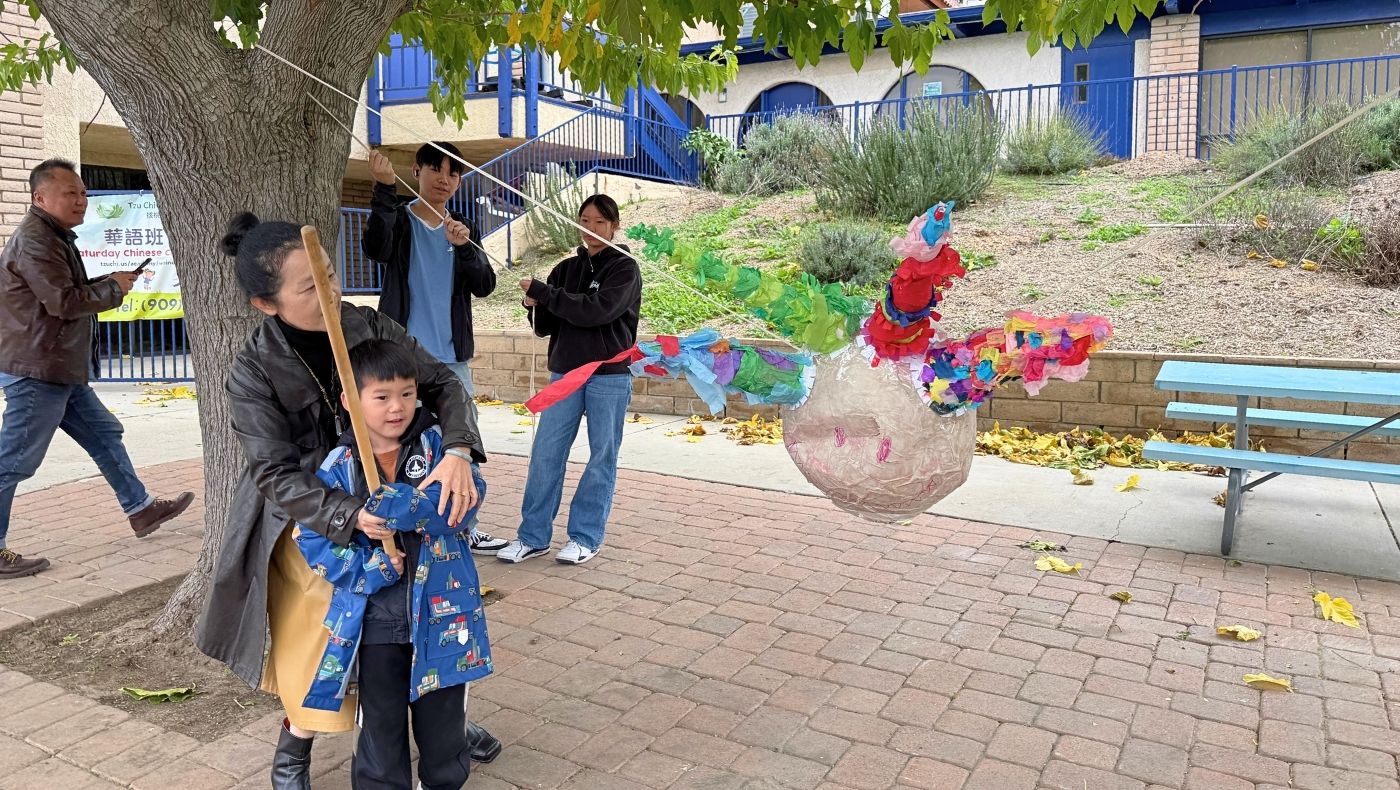
On a crisp winter morning, Tzu Chi Walnut Elementary School echoed with children’s laughter. With colorful piñatas swaying high and little hands gripping wooden sticks with intense determination, children’s eyes brimmed with excitement. As the first strike landed and confetti scattered like fluffy snow, the children were doing more than playing a game; they were sharing their first blessings for the new year.
Nurturing Compassion in Everyday Moments
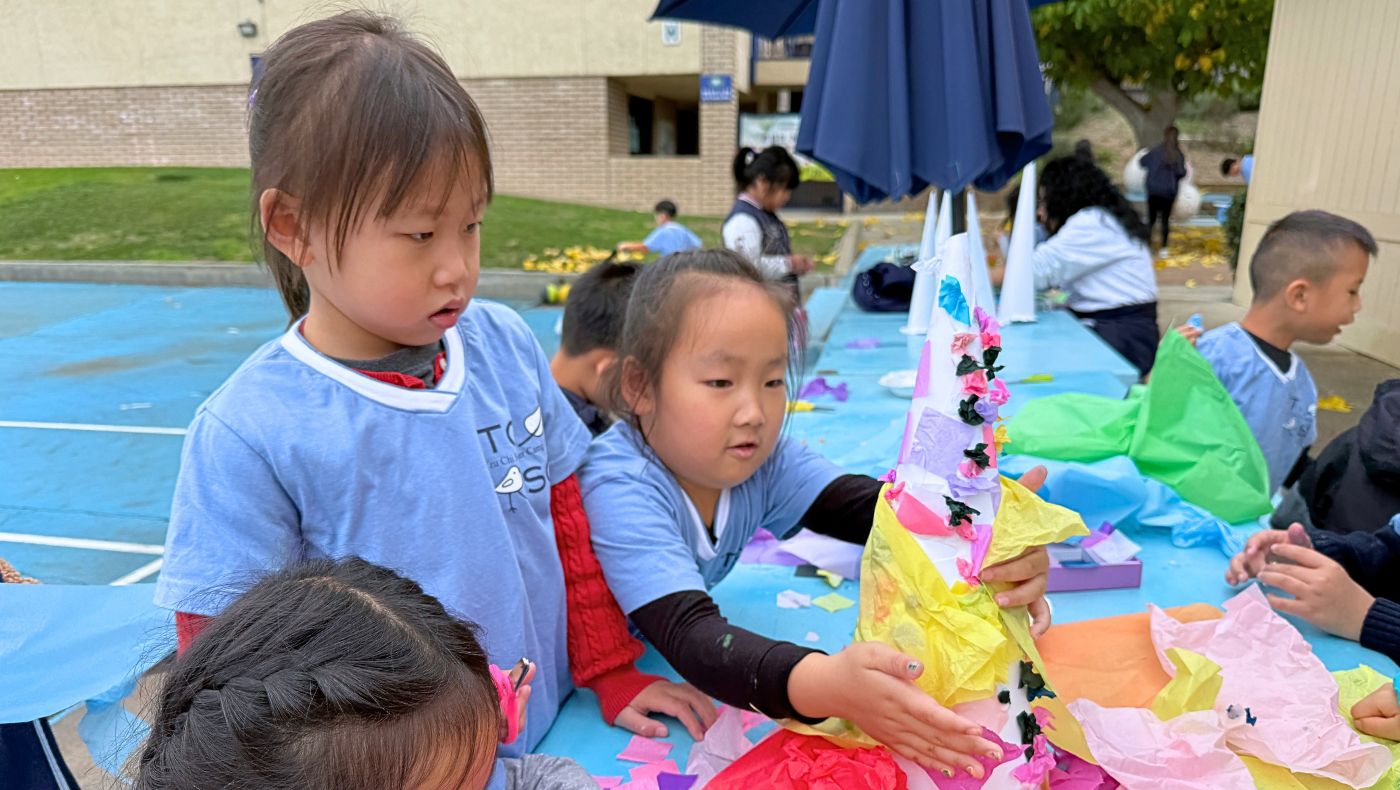
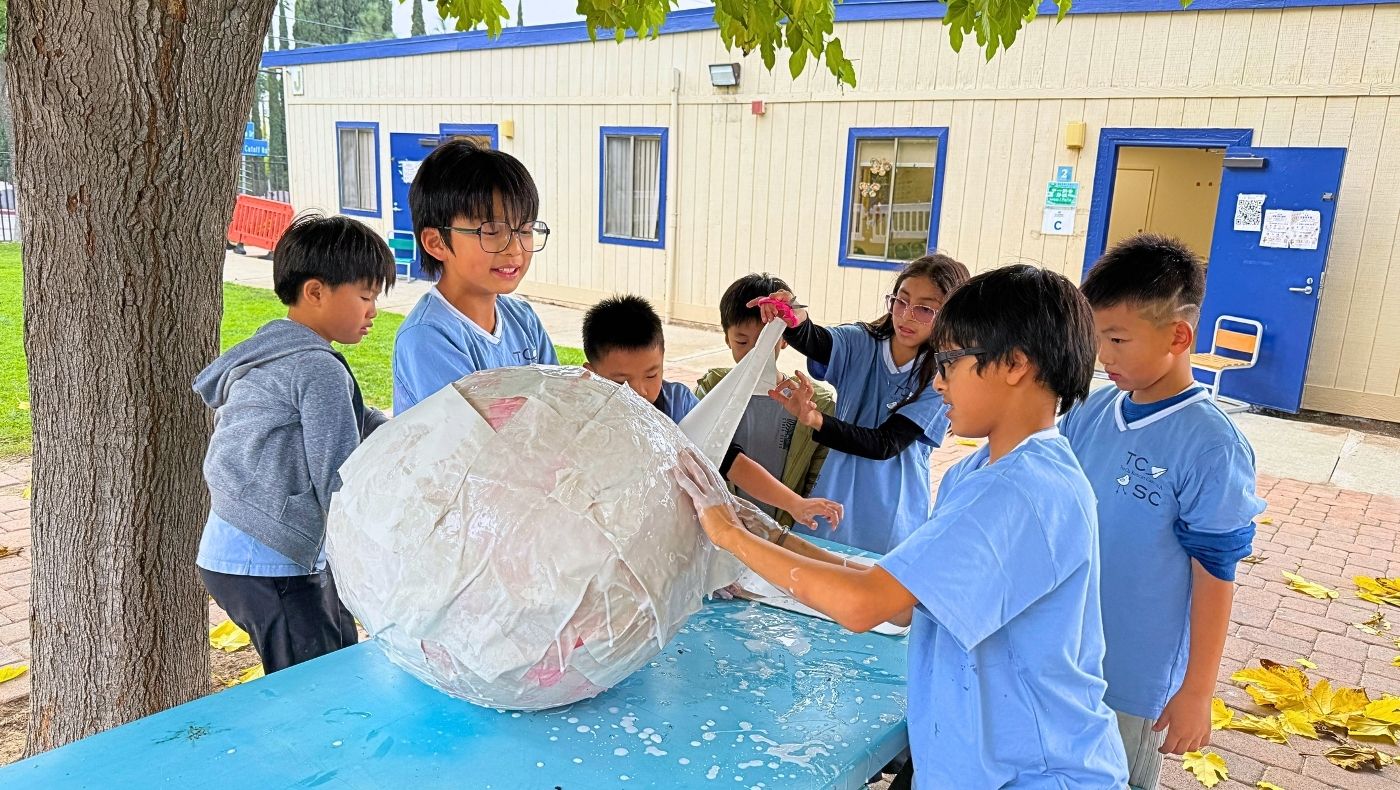
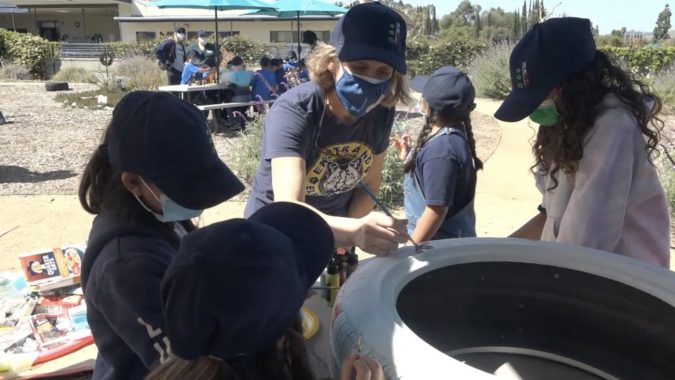
Children carefully cut and paste paper, pouring their creativity into one-of-a-kind piñatas. Photo/Yuying Li
In an era marked by environmental uncertainty and global unrest, the words of Tzu Chi’s founder, Dharma Master Cheng Yen, often come to mind: “Only when hearts are purified can society achieve harmony.” It is this spirit that served as the heartbeat of the 2025 Winter Camp, centered on the theme, “Little Global Citizens: Connecting the World with Love.”
With eyes full of anticipation, children take turns hitting the piñata to welcome the new year. Photo/Yuying Li
Volunteers from the Walnut Campus’s Life Science Farm guide students through the process of preparing vegetarian wontons. Photo/Yuying Li
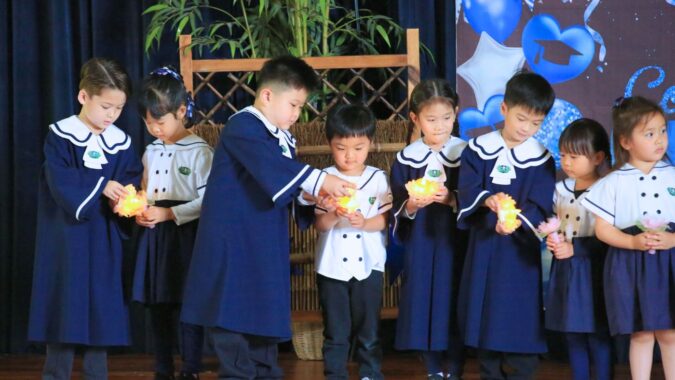
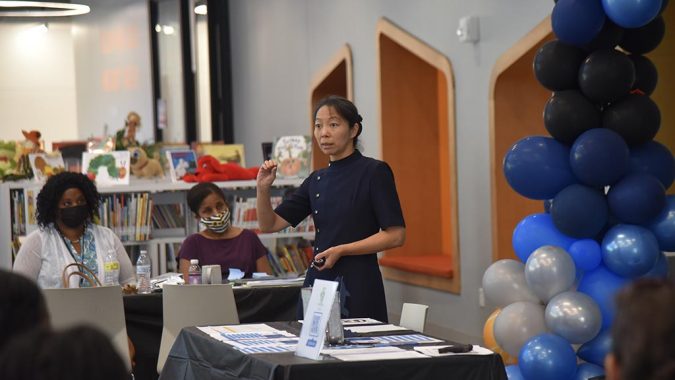
Graduates present tea to teachers, as well as the CEO and Deputy CEO of Tzu Chi’s Education Foundation. Photo/Lina Lee
Starting with children’s everyday experiences, the camp aims to guide them in learning about the world and embracing curiosity, so that “the world” is no longer just a term in the news, but a living presence to be felt, respected, and cared for.
A Journey Through Tradition
This year, the camp’s curriculum immersed students in the rich, festive traditions of Mexico. The children spent two weeks crafting one-of-a-kind piñatas from balloons, paper, and glue with patience and precision. They learned that breaking a piñata signifies a triumph over old habits and a welcome to a fresh, hopeful beginning. When the piñata finally breaks, the treats that rained down were more than just treats; they represented the hopes, dreams, and rewards of a heart renewed by compassion.
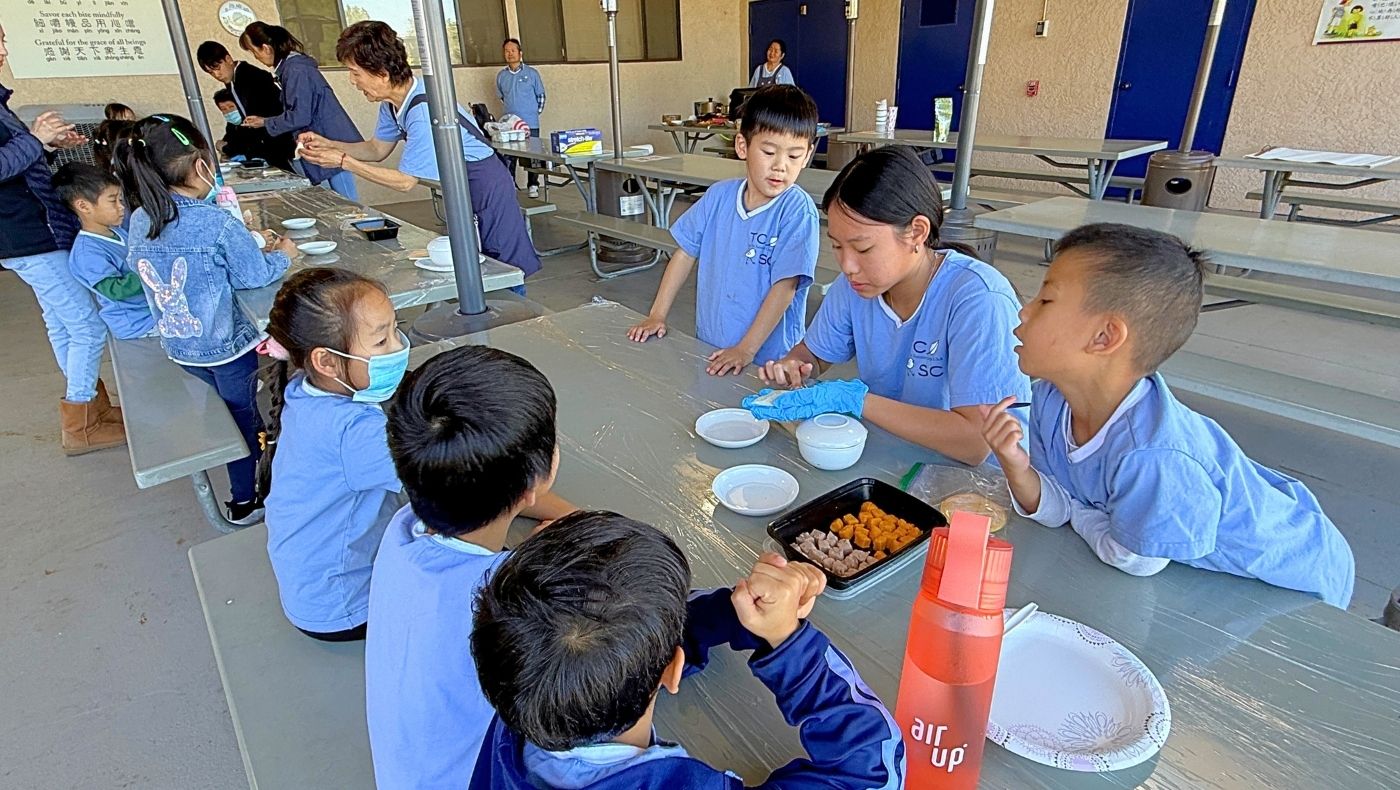
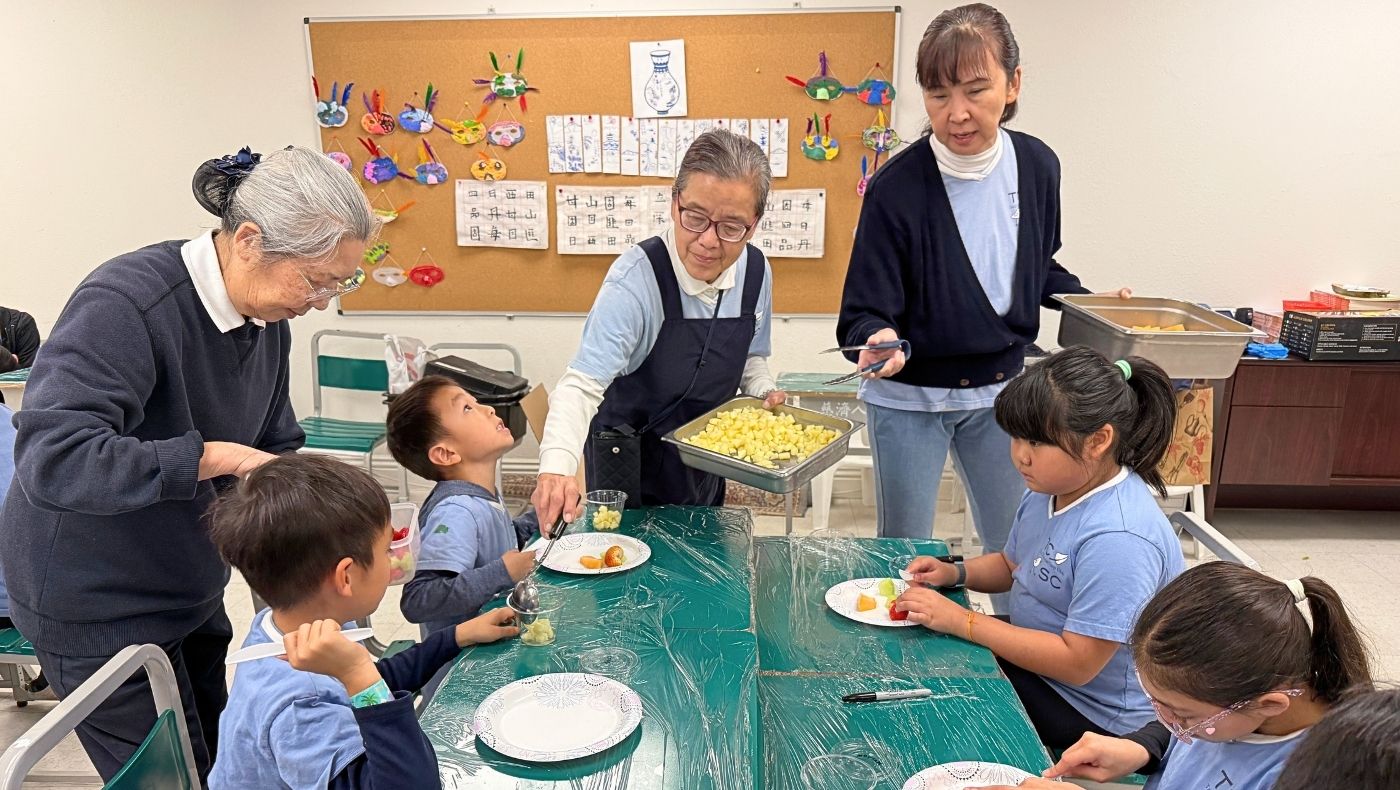
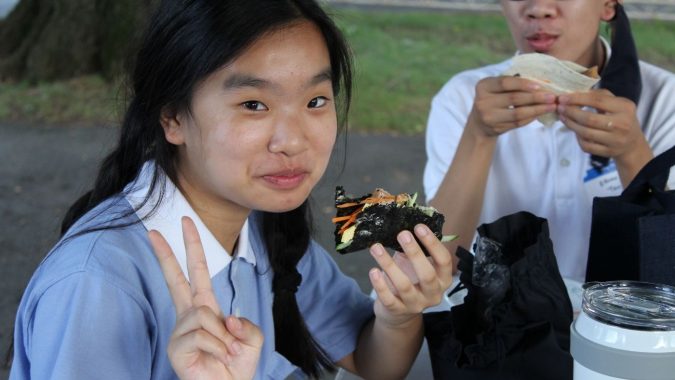
The camp incorporates vegetarian cooking instruction, teaching students that healthy choices can also be an act of gratitude. Photo/Yuying Li
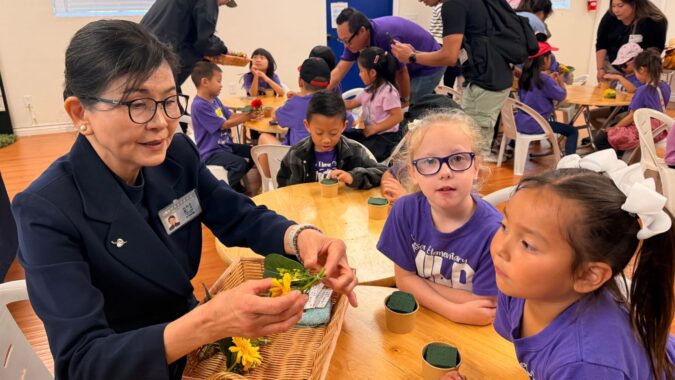
Fragrant aromas filled the air as teachers and volunteers guided the children in preparing traditional Mexican vegetarian dishes. From fresh fruit bionicos to steaming cups of Mexican hot chocolate, the kitchen became a classroom for both health and heritage. By preparing plant-based meals, the children learned that respect for the Earth and for other cultures are deeply intertwined.
Colorful fruits, vegetables, and plant-based ingredients not only offered healthy, delicious options, but also allowed children to experience the warmth of festive culture through hands-on experiences. The introduction to preparing plant-powered dishes also instilled the concept of vegetarianism in the children’s hearts, making it a practical choice rather than merely an abstract theory.
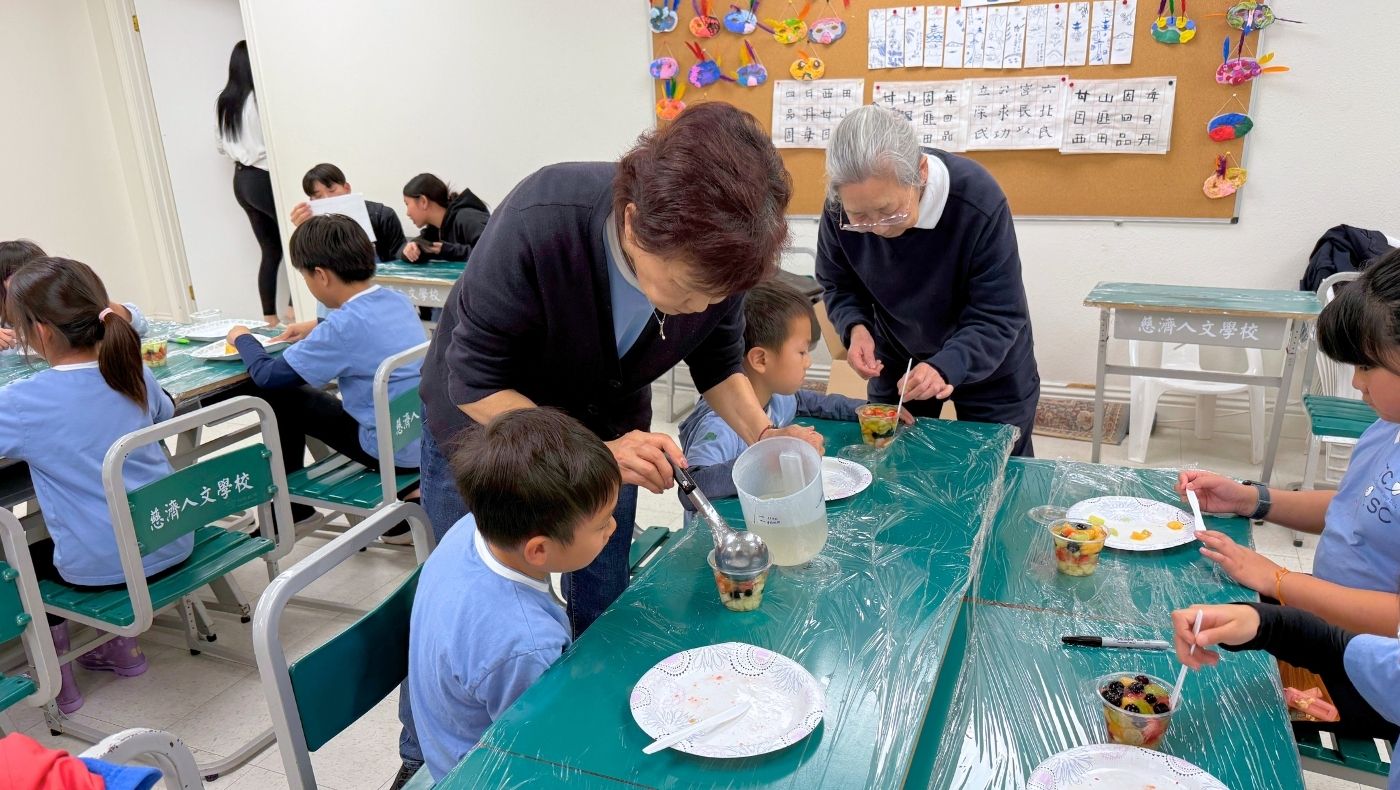
Students prepare fruit jelly, gaining satisfaction from not only the scrumptious treat when it’s done, but in the act of creating a meal from scratch. Photo/Yuying Li
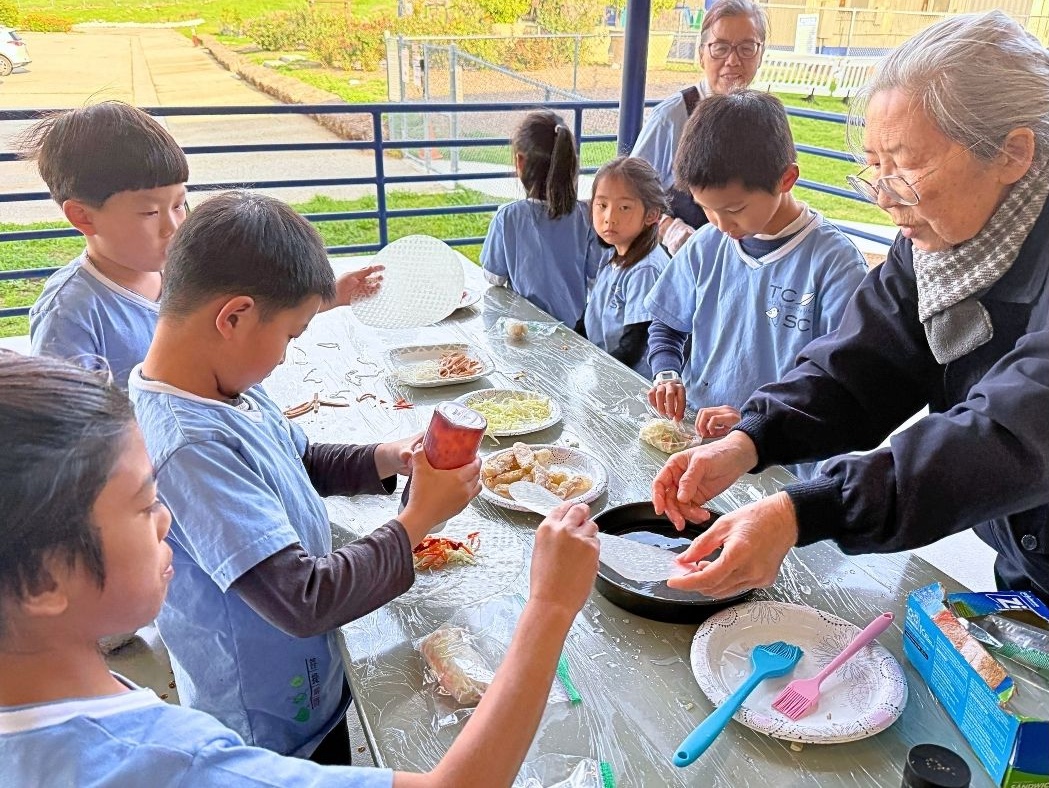
Volunteers patiently guide children in learning to prepare simple vegetarian dishes. Photo/Yuying Li
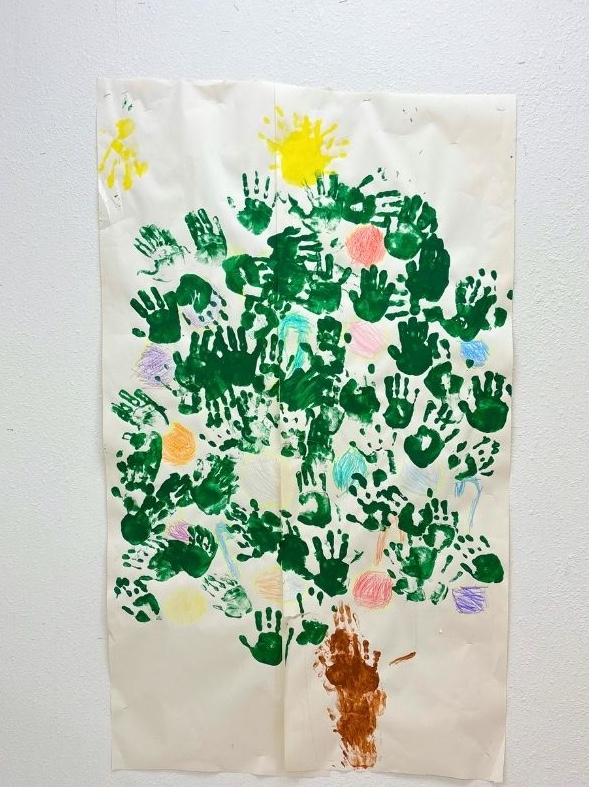
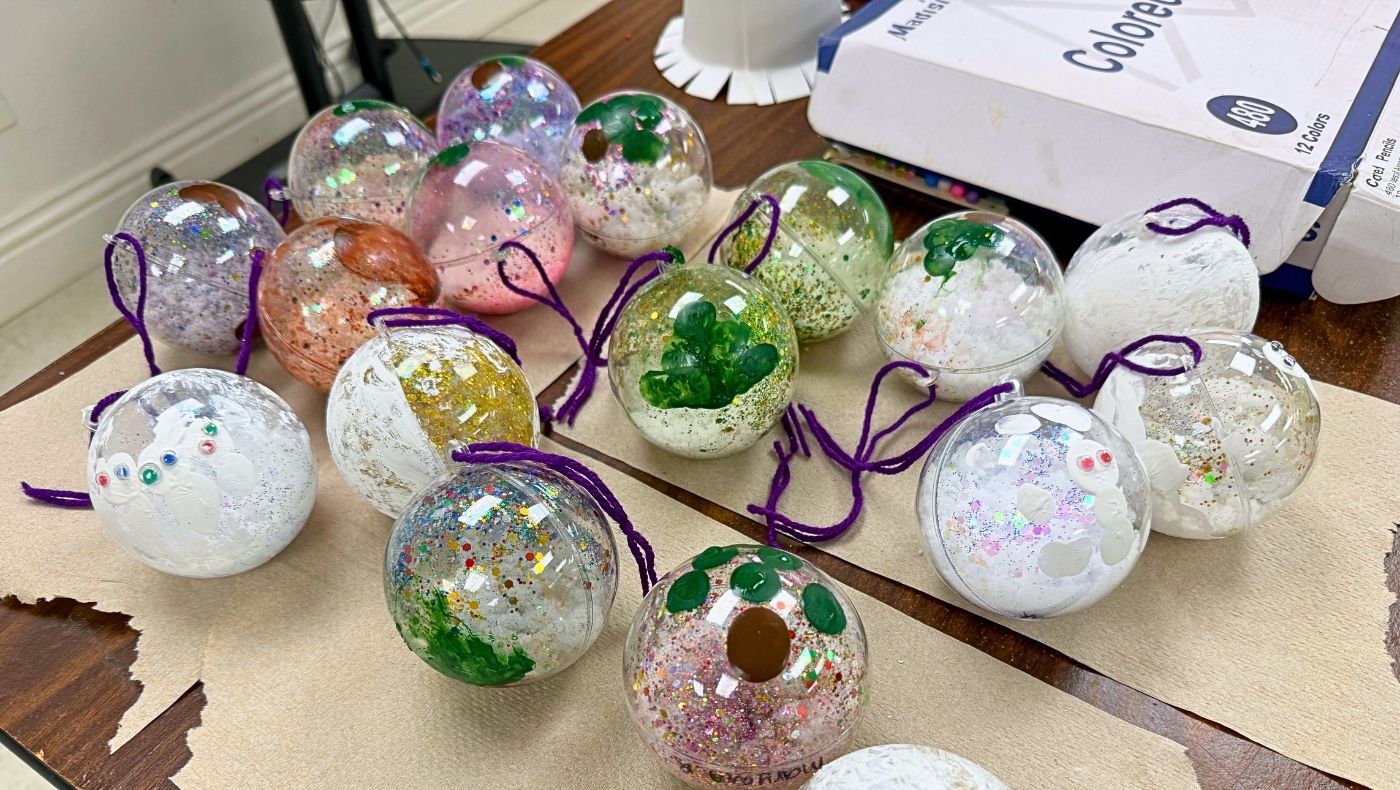
During the handicraft time, children focused intently as they fashioned ornaments from sequins, beads, snowflakes, and colored paper to create Christmas and New Year decorations. A Christmas tree gradually took shape from the children’s handprints on the wall. Each handprint represented a pure, heartfelt wish, and symbolized the collective hopes for the future they made together. It was a scene that required no translation, conveying that understanding can bring the world closer together.
Liqi Shao, Deputy Director of the Humanistic Education Department of the Tzu Chi Education Foundation, explained that a key aspect of the winter camp’s theme is to honor diverse cultures, and this year it shone a light on Mexican culture. By using Christmas and New Year as entry points, volunteers guide children to appreciate the depth of diverse backgrounds, learning to celebrate differences through the work of their own hands.
Program coordinator ChengI Wang, too, observed the pride the children took in their work. After learning to wrap dumplings and roll spring rolls, many couldn’t wait to share their creations with their families.
Welcoming Hope and New Perspectives
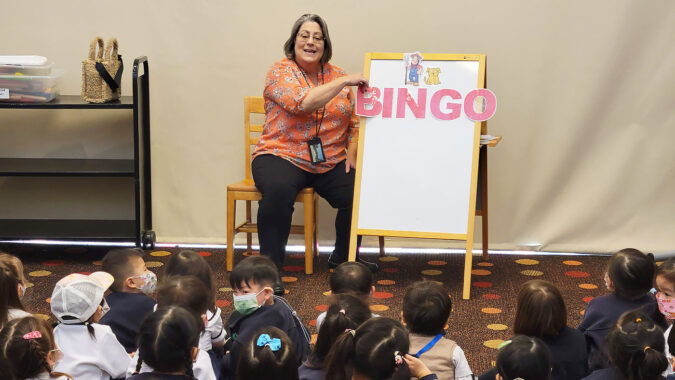
Tzu Chi Winter Camp teacher Vanessa Vazquez also introduced basic Spanish phrases and the traditional game of Lotería, engaging children through joyful interaction. Chinese language teacher Yuying Li shared that while the program features many traditional crafts and cultural experiences, children are not expected to change the world immediately. Yet, she hopes they can view the world with compassion, nurturing the seeds of change through daily kindness and curiosity.
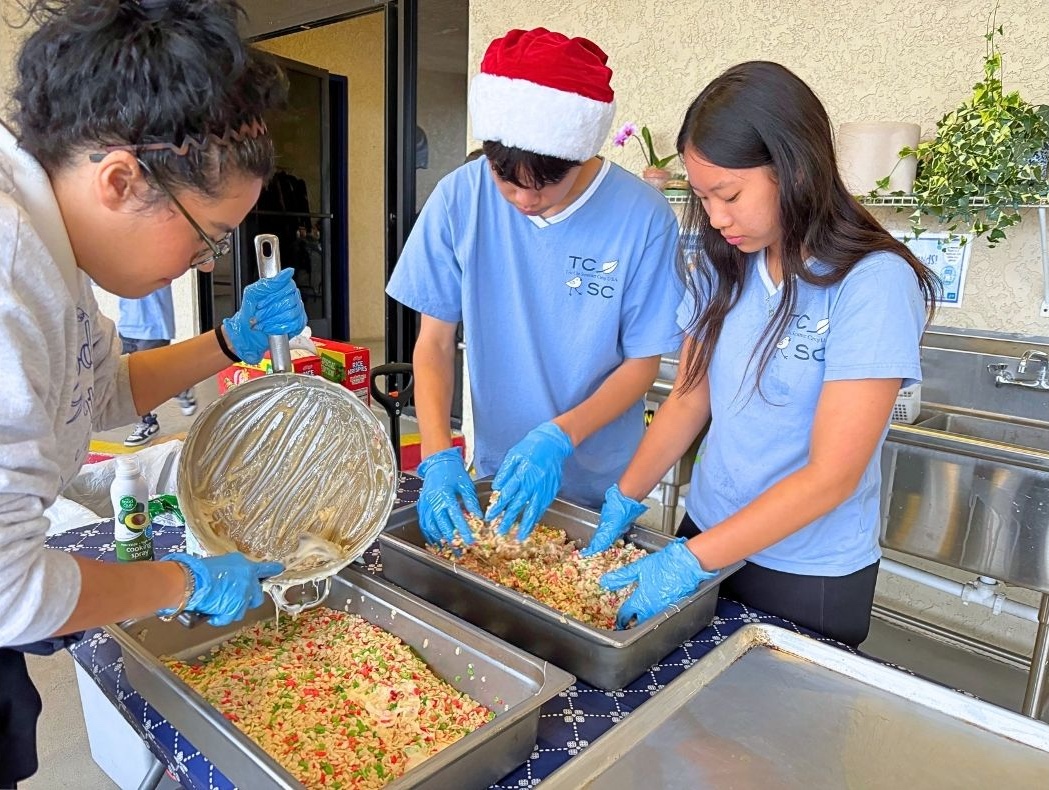
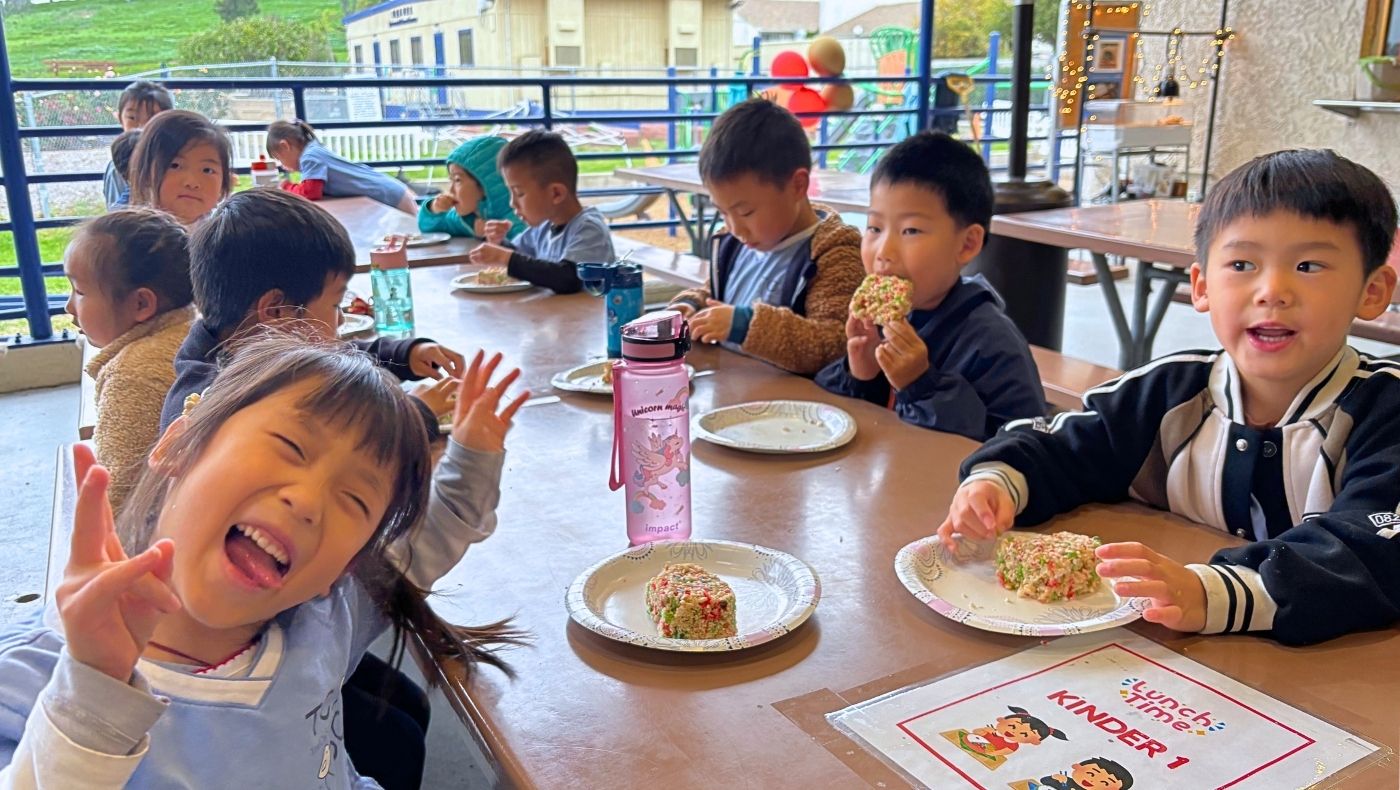
Young participants make Christmas-themed cereal bars. Photo/Yuying Li
Children enjoy the colorful Christmas treats. Photo/Yuying Li
The children shared that cooking and crafts allowed them to unleash their creativity. Dumplings, noodles, fruit jellies, and hot chocolate were the camp’s unanimous favorites. Tzu Chi Winter Camp student Enlin Chiang happily exclaimed, “Piñatas are for celebrating!” and “¡Feliz Navidad!” Amid laughter and sharing, the children gained not only festive experiences but also an awareness of the beauty found in another culture’s traditions.
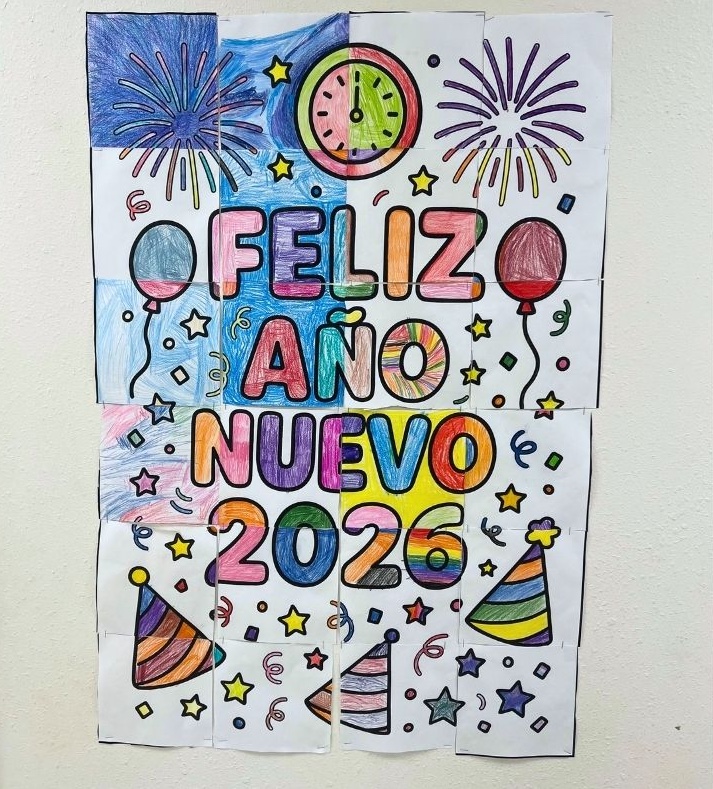
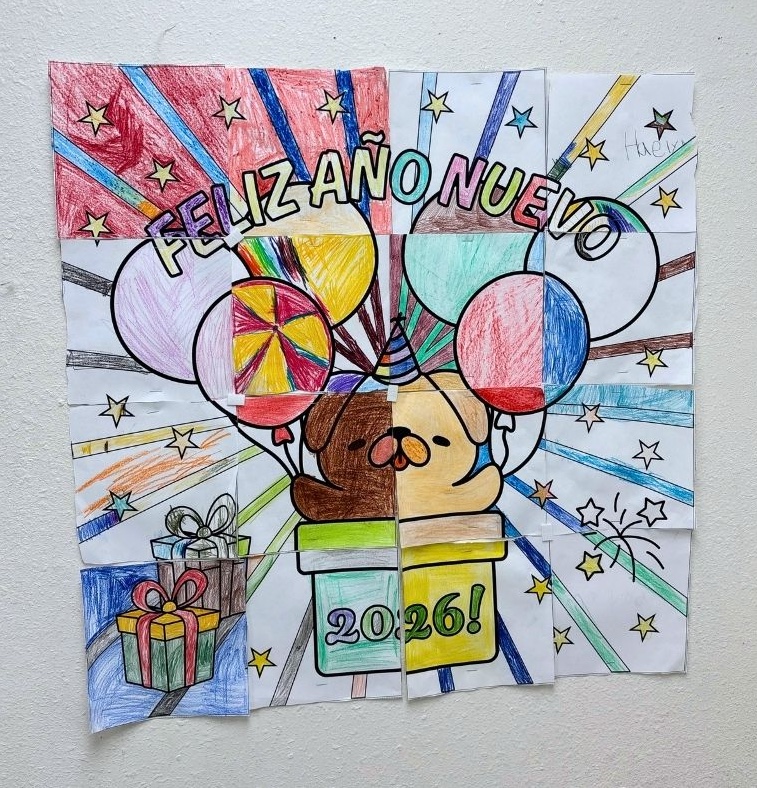
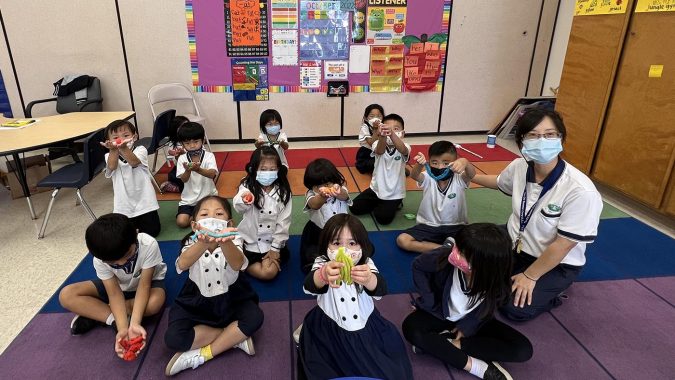
Students display bright holiday coloring pages. Photo/Yuying Li
The Tzu Chi Winter Camp is more than just cultural learning or craftsmanship; it’s a journey of spiritual growth. Through multicultural experiences, language exposure, and hands-on exploration, children learn to view the world from different perspectives, cultivate respect amidst differences, and practice compassion through action. From a single drumbeat, a meal, or a pair of little handprints, seeds of compassion and love quietly take root.
Green handprints form a symbolic tree on the wall, representing the students' collective hopes. Photo/Yuying Li
Students craft traditional Christmas tree ornaments. Photo/Yuying Li
It’s firmly believed that when love resides in a child’s heart, the world gains another ray of hope, indeed.
These children have learned Jing Si Aphorisms and Chinese language in the Tzu Chi environment. Their hearts are filled with love and energy. Being able to continue the inheritance of Chinese culture in a foreign country is a very meaningful mission.